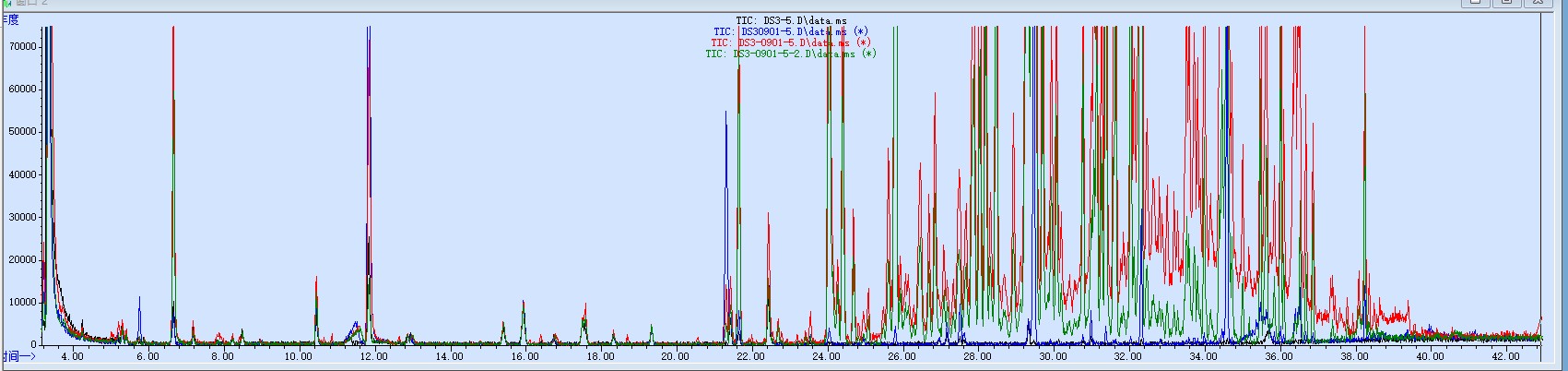
Suzhou Tsingcarbo Nanomaterials Co., Ltd used multiple new technologies such as nanoscale narrow pore size precise control technology, nano porous carbon pore surface chemical modification technology, and nano porous carbon specific surface control technology, after two years, they finally developed a nano porous carbon material that can replace the Carbon 1000
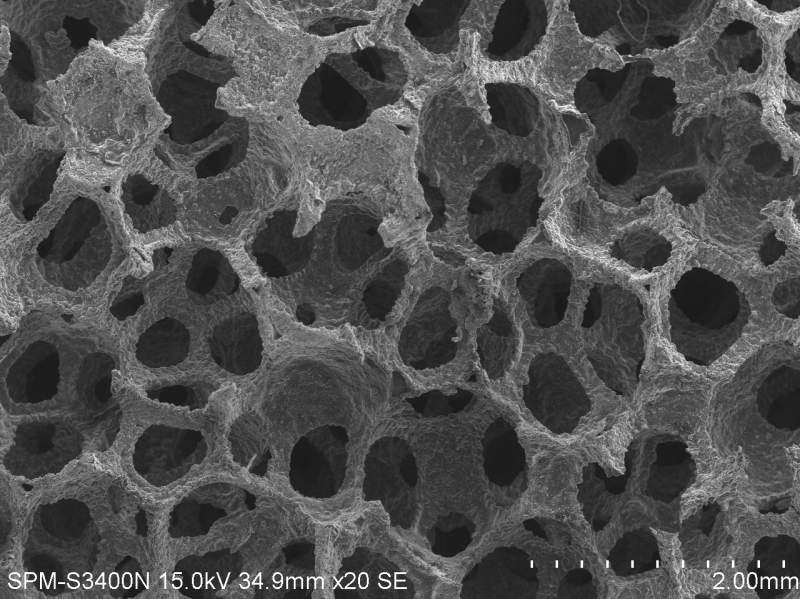
Carbon foam has a series of excellent properties such as high strength, high thermal conductivity/conductivity, high temperature resistance, acid and alkali resistance, and easy structural control. It is a lightweight thermal management material, as well as a material with thermal conductivity and sound absorption properties. It can be used in the fields of thermal, acoustic, RF/EMI signal manage
In the development process of chromatography over 100 years, the development of various methods has been uneven. Although LC appeared early, GC was the earliest and most widely used technology in industrial production
Recently, Suzhou Tsingcarbo Nanomaterials Co., Ltd. was invited by the Environmental Control Center CO., LTD. to conduct in-depth visits and exchanges at the center on September 4th. The purpose of this visit is to review the past cooperation achievements of both parties and further explore new opportunities for cooperation in the field of gas sampling fillings.
At the beginning of the new century, due to the needs of life sciences, new drug development, and environmental sciences, liquid chromatography, microcolumn liquid chromatography, and capillary electrochromatography have received widespread attention. However, for the past 20 years, the column efficiency of commercial HPLC chromatography columns has hovered between 10000 and 30000 pl/elum,to solve
BioF theuel cell (BFC) uses natural microorganisms or enzymes as catalysts to catalyze the oxidation-reduction reaction of organics in nature to generate electricity. Compared with traditional fuel cells, biofuel cells use non-toxic and renewable biocatalysts and organic fuels. They have sufficient sources of raw materials, low cost, and can generate electricity under mild conditions. They are cl
Since Japanese scholar Sumo Iijima discovered carbon nano-tubes (CNTs) in 1991,This event changed people's previous understanding of the three forms of carbon (diamond, graphite, and amorphous carbon), and led to continuous research on carbon nano-tubes, competing to use this novel material in various fields. In 2004, another interesting carbon substance emerged - graphene (G), CNTs and G are two
Tsingcarbon ST is a carbon molecular sieve filler by specially treated developed by Shinwa in Japan. It can simultaneously analyze 8 gases including H2, O2, CO, CH4, CO2, N2O, C2H2, C2H4, C2H6, etc. on a single chromatographic column, which combines the advantages of molecular sieve and PorpakQ.